Sidelines, Stadiums, and Skin Contact: A Disulfiram Patient's Map of Community Alcohol Culture
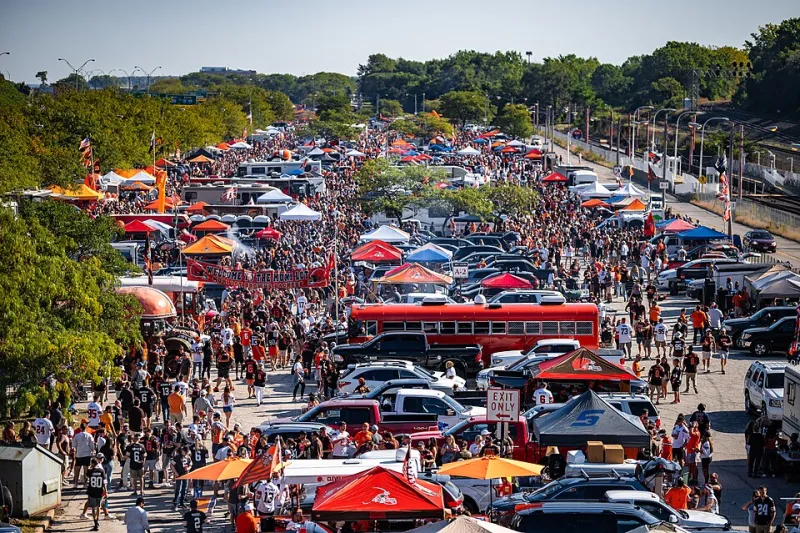
Photo: Erik Drost, CC BY 2.0, via Wikimedia Commons
Community life in the United States runs on traditions, and many of those traditions come with a cooler nearby. For patients taking disulfiram (Antabuse), weekend commitments — volunteering at a charity 5K, tailgating before a football game, coaching a youth soccer team, or joining an annual hunting camp — deserve more than a passing thought. The medication itself does not prevent you from showing up. It simply demands that you understand where real risk lives and where it does not.
Separating True Exposure Risk From Social Pressure
The first step is a clear-eyed distinction. Disulfiram works by blocking the enzyme that metabolizes acetaldehyde, so drinking alcohol triggers an intensely unpleasant — and potentially dangerous — reaction. That reaction requires alcohol to actually enter your body, whether swallowed, inhaled heavily, or absorbed through the skin in significant amounts.
That means most weekend scenarios fall into one of two buckets:
- Social pressure only. Someone offers you a beer at a tailgate. A fellow coach cracks one open on the sideline after the game. There is no medical danger in being near sealed drinks or declining one politely. The risk here is to your routine, not your physiology.
- Genuine exposure risk. Consuming alcohol in any form — including hidden sources like marinades, dessert sauces, or certain mouthwashes — or sustained heavy exposure to alcohol vapors in enclosed spaces.
Most community events involve the first bucket. Your job is to hold your line socially while staying alert for the second.
The Tailgate Lot: Smoke, Vapor, and Standing Your Ground
Tailgating raises a fair question: can the alcohol evaporating from hundreds of open cans affect you? In an open-air parking lot, the answer is almost certainly no. Brief, diffuse exposure to alcohol vapors outdoors is not the same as drinking. The concern documented with inhaled alcohol involves concentrated vapor in enclosed spaces — think industrial settings, not a breezy stadium lot.
The real challenge is social. A simple, rehearsed response works better than an explanation you owe no one:
- "I'm driving today, but thank you."
- "I'm good with this — I've got my own."
- "Not drinking right now. Grab me a seltzer if you're going in?"
Bringing your own non-alcoholic drink removes the decision point entirely. Holding a can of something gives people nothing to fix.
The Sideline Cooler Problem
Youth sports culture has shifted noticeably in recent years — many leagues now prohibit alcohol at fields entirely — but rec leagues, adult softball, and post-game traditions vary widely by town and region. If you coach or volunteer:
- Learn your league's policy before the season starts; many organizations have formal alcohol rules you can lean on.
- If beer appears at practices or games, you can raise it with a league administrator without disclosing your medication. "I thought we weren't supposed to have alcohol at the field" is a policy question, not a confession.
- Keep water in your own bag and decline shared drinks with the same short scripts above.
The presence of alcohol near you is not an exposure event. Only ingestion is.
Charity Races, RibFests, and the Post-Event Beer
Fun runs and festivals often build alcohol into the finish line or the festival grounds. Again, the danger is not proximity. Watch instead for:
- Food prepared with alcohol — beer-battered anything, wine reductions, rum-soaked desserts at the vendor tents.
- Alcohol-based topical products in first-aid stations, such as skin prep wipes or hand sanitizers used repeatedly. Ordinary, intermittent use of sanitizer is generally considered acceptable; prolonged skin contact with high-alcohol preparations is what warrants caution.
When in doubt about a dish, skip it. No single bite is worth the gamble.
Hunting Camp and Other Tradition-Heavy Gatherings
Annual trips with long-standing rituals — a toast at the cabin, beer in the marinade, spiced wine in the thermos — carry the most embedded pressure, because declining can feel like opting out of the tradition itself. Consider a private word with the trip's organizer before you go. Most people will accommodate far more readily than you expect, and you can often help shape the menu: bring your own beverages, volunteer to cook a dish you know is alcohol-free, and position yourself as a participant, not an exception.
A Final Word on Confidence
Disulfiram patients frequently report that the hardest part of community events is not the chemistry — it is the fear of being asked why. You are never obligated to disclose your treatment. "I'm not drinking" is a complete sentence. With a rehearsed script, your own drink in hand, and a working knowledge of where genuine exposure risk actually lives, the weekend can stay yours.
Always direct specific questions about your situation to the physician managing your disulfiram therapy, particularly regarding occupational or repeated vapor exposure.