Before Your First Disulfiram Dose: A Realistic Hour-by-Hour Account of Day One

Disulfiram is unlike most medications a patient will ever take. Its purpose is not to make you feel better in the moment, but to create a firm biological boundary between you and alcohol. Understanding what the first day actually involves — from the waiting room to bedtime — helps remove the uncertainty that keeps many people from starting treatment at all.
Morning: The Clinical Evaluation Comes First
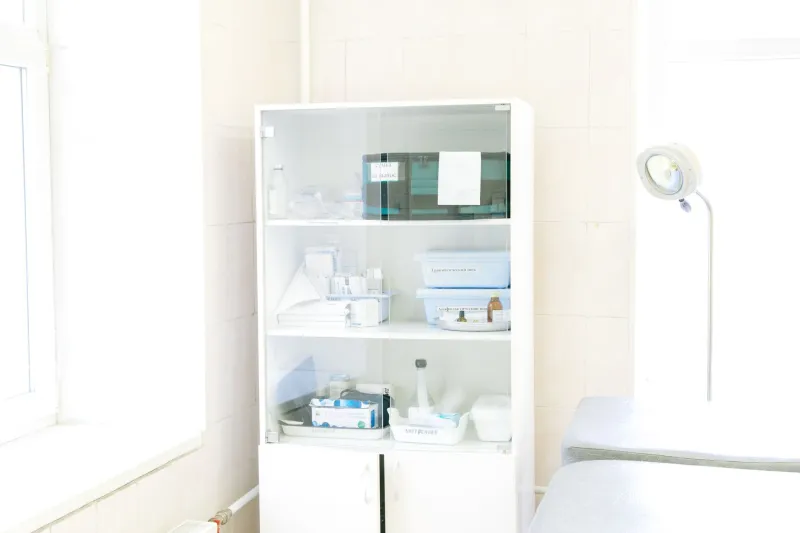
No reputable US prescriber hands over disulfiram on a first visit without groundwork. Expect a thorough intake appointment that reviews your drinking history, current medications, and overall health. Two screening steps are non-negotiable:
- Baseline liver function tests. Disulfiram is processed by the liver, so your provider will order bloodwork to confirm your liver enzymes are within a safe range before the first tablet.
- A confirmed period of abstinence. Most clinicians require that you have had no alcohol for at least 12 to 24 hours before dosing, because taking disulfiram with alcohol already in your system can trigger a reaction immediately.
Patients should also be asked about pregnancy, seizure disorders, severe heart disease, and psychiatric conditions — all of which may call for a different treatment approach.
Early Afternoon: Taking the First Tablet
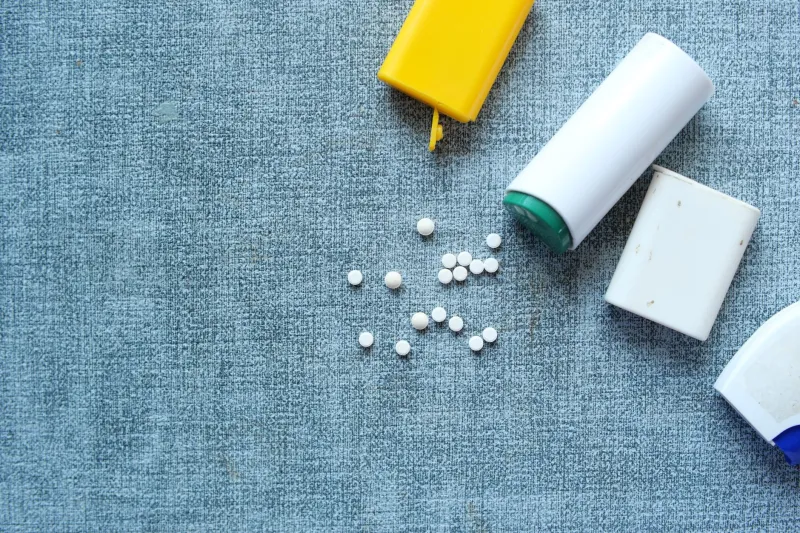
The typical starting dose is a single 500-milligram tablet, taken once daily, often reduced to a 250-milligram maintenance dose after one to two weeks. The tablet is usually taken in the morning with food and water.
Here is what day one does not feel like: there is no rush, no euphoria, and no dramatic sensation. Disulfiram is quiet on its own. Its entire mechanism activates only when alcohol enters the picture — and that is precisely the point.
Afternoon and Evening: Common First-Day Effects
Most patients tolerate the first dose well, but a few mild effects are frequently reported within the first day:
- Drowsiness or fatigue. This is the most common first-day complaint. Plan not to drive long distances or operate heavy machinery until you know how the medication affects you.
- A metallic or garlic-like aftertaste. Some patients notice it within hours; others never do. It typically fades with continued use.
- Mild nausea or headache. Usually transient and improved by taking the tablet with food.
If you experience a skin rash, yellowing of the eyes, dark urine, or persistent vomiting, contact your prescriber promptly — these are not expected first-day effects.
Preparing Your Home Before You Start
Thoughtful preparation the day before makes the first week smoother:
- Remove alcohol from the house — including cooking wine, beer in the garage refrigerator, and liquor tucked away for guests.
- Audit your bathroom cabinet. Mouthwash, cough syrup, vanilla extract, and some liquid cold remedies contain enough alcohol to cause a reaction. Replace them with alcohol-free versions.
- Tell your household. Family members should understand that even trace alcohol — a splash of bourbon in a dessert, an aftershave absorbed through skin — can trigger a reaction while you are on this medication.
Setting Realistic Expectations
Disulfiram is a deterrent, not a cure. It works best for patients who are motivated to stop drinking and who pair the medication with counseling, peer support groups, or a structured recovery program. Discuss with your provider how long you will remain on the medication — many treatment plans continue for months or longer, since the reaction to alcohol can persist up to two weeks after the last dose.
Day one is straightforward for most patients: bloodwork, a single tablet, mild tiredness, and a strange taste. The real work of recovery happens around the medication — and knowing exactly what to expect makes that first step far less intimidating.