Missed Your Antabuse? Why 'Catching Up' Is the One Move You Should Never Make
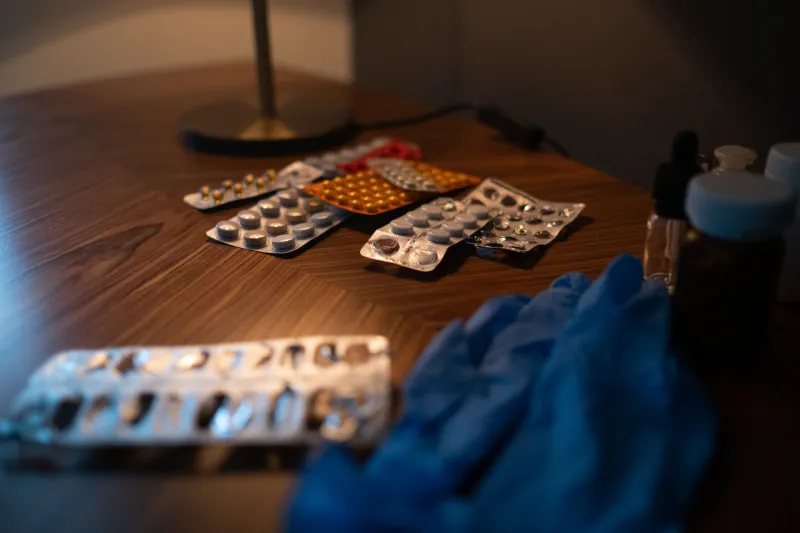
It usually happens quietly. A late night, a rushed morning, a forgotten pill bottle sitting on the nightstand while you're already halfway to work. By the time you realize you skipped your disulfiram dose, the question arrives with it: should I take two tonight to make up for it?
If you've had that thought, you're in good company. Missed doses are among the most common questions patients raise about disulfiram (brand name Antabuse), and the instinct to "catch up" is deeply human. With most medications, doubling up is still a bad idea — but with disulfiram, the stakes are higher and the reasoning is less intuitive. Here's what patients in the United States should understand before reaching for that second tablet.
Why the Usual Rules Don't Apply
Most missed-dose advice follows a simple pattern: take the pill as soon as you remember, unless it's nearly time for the next one. Disulfiram breaks that pattern because of how it behaves in the body.
Disulfiram has an unusually long presence in your system. The drug itself is metabolized over roughly 60 to 120 hours — meaning even after several days without a dose, residual effects can persist. More importantly, disulfiram doesn't work by building up to a protective level you need to hit each day. It works by irreversibly inhibiting the enzyme aldehyde dehydrogenase (ALDH). Once that enzyme is blocked, your body has to manufacture new ALDH, a process that takes about two weeks even after you stop taking the medication entirely.
In practical terms: a single missed dose rarely creates a meaningful gap in protection. Your enzyme blockade from previous doses is still largely intact. There is no deficit to correct — which means doubling up corrects nothing and only adds risk.
The Danger of Doubling Up
Taking two doses of disulfiram at once doesn't restore protection faster, but it does elevate the amount of the drug circulating in your body. Higher levels are associated with increased side effects: drowsiness, fatigue, headache, metallic or garlic-like aftertaste, and, in some patients, mood changes or psychiatric symptoms. There's also a theoretical elevation of liver strain, which matters because disulfiram already requires periodic hepatic monitoring — a standard part of care for US patients on this medication.
And here's the cruelest irony: doubling up does nothing to shorten the window of vulnerability if a lapse in protection were to occur. The enzyme recovery timeline is fixed by biology, not by dosage. A double dose today cannot make yesterday's missed pill matter less.
So What Should You Actually Do?
The guidance most prescribers give is refreshingly simple:
- If you remember the same day, take your usual dose at your regular time or as close to it as reasonable. Don't take it late at night if it disrupts your routine — consistency matters more than the clock.
- If you remember the next day, skip the missed dose entirely and resume your normal schedule. Take one tablet, not two.
- If you've missed two or more consecutive days, call your prescribing physician or pharmacist before resuming. Some clinicians recommend a cautious restart approach, and your provider may want to reassess your situation, particularly around alcohol exposure during the gap.
One more critical point: never assume a missed dose gives you a "free pass" to drink. Because disulfiram's enzyme effects persist for up to two weeks, drinking alcohol after a missed dose or two can still trigger the full disulfiram-alcohol reaction — flushing, nausea, vomiting, palpitations, and in severe cases, dangerous cardiovascular effects. The nightstand dilemma and the two-week window are more connected than most patients realize.
When a Missed Dose Matters Most
Not all missed doses carry equal weight. The concern grows when:
- Multiple consecutive doses are skipped, particularly beyond 48 to 72 hours
- The lapse coincides with high-risk situations — a wedding, a holiday party, a stressful week
- The patient is early in treatment, before routines and support systems are established
- There's any uncertainty about whether alcohol was consumed during the gap
If any of these apply, a quick call to your prescriber is warranted. US patients can also consult a pharmacist — often the fastest resource for medication questions — at no additional cost.
Addressing the Pattern, Not Just the Pill
A single missed dose is a non-event. A recurring pattern is a signal worth examining. Repeatedly forgetting disulfiram may reflect a practical problem — a schedule that doesn't fit your life, side effects you haven't mentioned, or ambivalence about the medication itself. None of these are moral failures, and all of them are fixable with your care team.
Practical fixes include pairing the dose with an unbreakable daily habit (brushing your teeth, morning coffee), using a weekly pill organizer, setting a recurring phone alarm, or asking a trusted family member to help — an approach consistent with supervised dosing strategies that research has shown improve adherence.
The Bottom Line
Miss one dose? Resume normally tomorrow. Miss several? Call your doctor first. And under no circumstances take a double dose — it adds risk without adding protection, and it can't shorten the timeline your body follows regardless.
Disulfiram works best as a steady, boring, unremarkable part of your routine. When the routine slips, the answer isn't heroics at the nightstand. It's a phone call, a reset, and another day of showing up for your recovery.
This article is for informational purposes only and does not replace medical advice. Always follow your prescribing physician's instructions regarding missed doses.