Who Holds the Bottle? Weighing Supervised Disulfiram Dosing Against Going It Alone
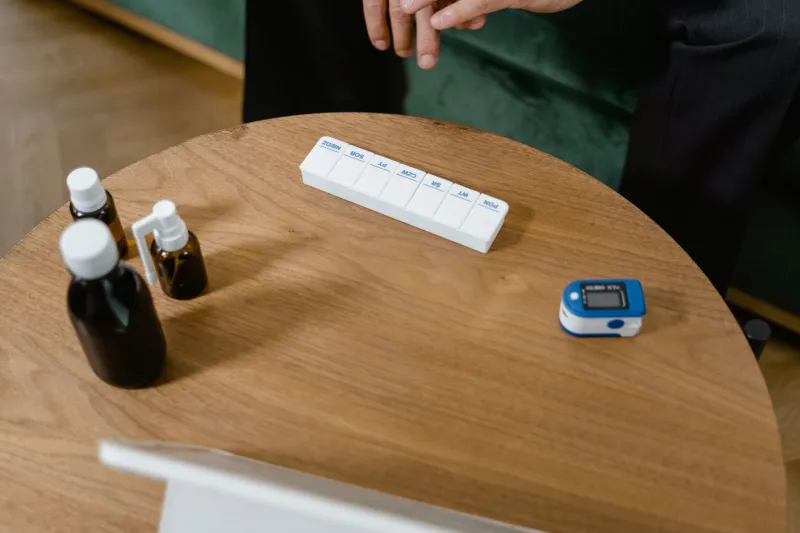
Among patients taking disulfiram, a quiet debate plays out at kitchen tables across America: should the pills stay in your medicine cabinet, or in someone else's hands?
The practice is informal but widespread. A spouse doles out the morning tablet alongside the coffee. A sponsor keeps a week's supply and hands one over at each check-in. Some outpatient programs build supervised dispensing into their protocols entirely. Advocates say it adds a layer of accountability that a sealed bottle on a shelf simply cannot. Critics counter that it transforms a partner into a pharmacist — and a marriage into a monitoring arrangement.
Both positions deserve a fair hearing.
The Case for Handing Over the Keys
Disulfiram works through deterrence. Taken daily, it produces deeply unpleasant — occasionally dangerous — reactions if alcohol is consumed. Its effectiveness depends heavily on adherence, and adherence is exactly what alcohol use disorder erodes. A patient in a craving spiral can talk themselves out of a dose; a locked pill organizer complicates that rationalization.
Addiction counselors we spoke with describe supervised dosing as a form of "externalized commitment." When another person witnesses the dose, the medication stops being a private negotiation and becomes a shared routine. For patients with a history of stopping the medication before a planned relapse, that interruption of a familiar pattern can matter.
Couples who've tried it often report a secondary benefit: structure. The daily handoff becomes a touchpoint, a small ritual of partnership in a recovery that can otherwise feel isolating.
The Case for Keeping Your Own Prescription
Yet the arrangement carries real costs, and patients shouldn't be pressured into it.
Recovery literature consistently emphasizes self-efficacy — the rebuilt confidence that you can manage your own health. A dosing arrangement that removes all agency can, in some patients, delay the development of that confidence. There is also the question of what happens when the relationship itself is strained. A couple mid-argument does not make a good dispensing team, and a spouse who controls access to medication holds leverage that can curdle into resentment or, in unhealthy relationships, control.
Counselors also flag practical wrinkles: travel, work schedules, and the simple logistics of two lives that don't always overlap at 8 a.m. Missed handoffs become missed doses, and missed doses on disulfiram aren't trivial — the drug's effects linger for up to two weeks after stopping, a window patients must understand clearly.
What Clinicians Suggest in Between
Most professionals recommend treating supervised dosing as a time-limited tool, not a permanent arrangement. A common approach: the first sixty to ninety days under a partner's or sponsor's oversight, followed by a planned, gradual transition back to self-management once adherence feels stable.
A middle path also exists. Some patients keep their own medication but build in transparency — a shared pill organizer, a daily text confirming the dose, or a weekly count together. This preserves accountability without transferring control.
Questions to Ask Yourself
Before deciding, consider honestly:
- Have I stopped or skipped disulfiram before without telling anyone?
- Is my relationship stable enough that medication custody won't become a flashpoint?
- Does my sponsor or partner genuinely understand how the drug works — including the two-week sensitivity window after stopping?
- What is my exit plan for returning to self-dosing?
Bring these questions to the prescriber who manages your treatment. Disulfiram should always be initiated and monitored by a clinician, and any dispensing arrangement works best when that clinician knows about it and endorses it.
There is no single right answer. For some patients, a partner holding the bottle is a lifeline. For others, it's a wedge. The right arrangement is the one that supports your recovery without compromising the trust and autonomy you're working to rebuild.