When Someone Else Pours: A Patient's Guide to Eating and Drinking You Didn't Choose
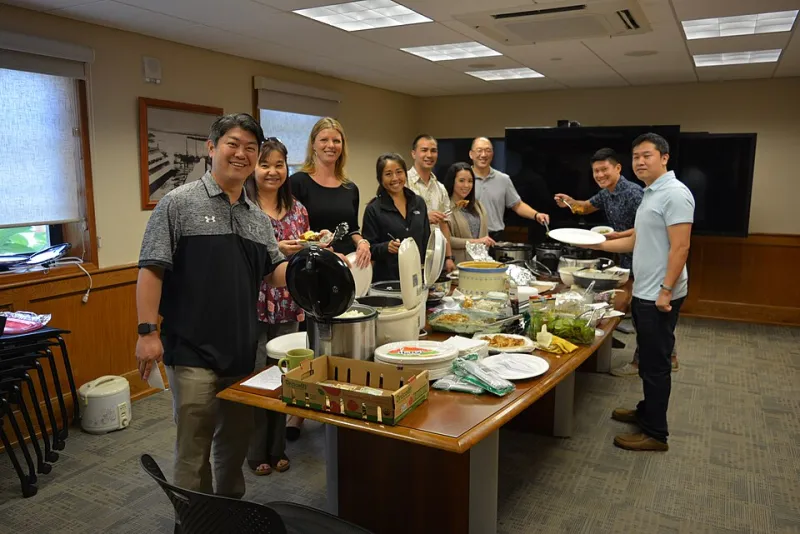
Photo: NAVFAC, CC BY 2.0, via Wikimedia Commons
Most disulfiram education focuses on the choices patients make for themselves. Yet some of the most dangerous exposures happen when the decision belongs to someone else: a host, a cafeteria worker, a restaurant kitchen, or a member of the clergy. For patients taking disulfiram, learning to navigate these shared spaces is not optional etiquette — it is a core medication safety skill.
Why Secondhand Food Deserves Your Attention
Disulfiram works by inhibiting the enzyme that breaks down acetaldehyde. When alcohol enters your system while the drug is active, acetaldehyde accumulates rapidly, producing flushing, nausea, palpitations, and in severe cases, dangerous drops in blood pressure. A standard drink is the obvious threat, but cooked wine in a sauce, alcohol-based extracts in baked goods, and even certain mouthwashes can trigger a reaction.
The problem with shared spaces is simple: you cannot read a label on a potluck dish. And unlike trace-alcohol edge cases you can evaluate on your own, here the information gap belongs to other people — people who may not understand why you are asking.
The Communion Question
For many American congregations, communion wine is non-negotiable tradition. But options exist, and most clergy have handled this request before.
A brief, private conversation is usually enough: "For medical reasons, I cannot consume any alcohol, including communion wine. Could I receive only the bread, or is an alternative cup available?" Many churches offer intinction (dipping the bread), grape juice cups, or a blessing in place of the cup. Some congregations already provide non-alcoholic options as a standard practice. Framing it as a medical restriction — which it is — keeps the exchange short and dignified.
Office Potlucks and the Break Room Fridge
Shared workplace food is where over-disclosure and under-protection collide. You do not owe colleagues an explanation of your treatment, but you do need accurate information about ingredients.
Useful, low-disclosure scripts include:
- "That looks great — does it have any wine, sherry, or liquor in the recipe? I'm on a medication that reacts badly with alcohol, even cooked."
- "I have a strict alcohol-free diet for medical reasons. Would you mind telling me what's in the marinade?"
- "No need to change anything — I'll just skip anything with alcohol in it. Thanks for understanding."
The phrase "even cooked" matters. Many home cooks genuinely believe alcohol burns off entirely in the oven, a misconception that persists in American kitchens. Stating it plainly prevents a well-meaning "it's just a splash" response.
The break room fridge deserves its own caution. Bottled kombucha, non-alcoholic beer, and alcohol-based extracts sitting in a shared refrigerator are easy to grab by mistake. When in doubt, stick to sealed, labeled items you brought yourself.
Restaurant Meals You Didn't Order
Restaurant kitchens routinely use wine in pan sauces, beer in batters, and liqueur in desserts. When dining with a group or ordering family-style, ask your server directly: "Does this contain any wine, beer, or liquor, including in the sauce? I have a medical reaction to alcohol." Servers hear dietary restrictions constantly, and this framing requires no further explanation.
Dishes that warrant a question in American restaurants include:
- Coq au vin, boeuf bourguignon, and any braised meat dish
- Beer-battered fish, onion rings, or fried chicken
- Tiramisu, cherries jubilee, bananas foster, and most flambé desserts
- Dishes described as "drunken," "boozy," or finished with a wine reduction
- Certain Caesar dressings and béarnaise sauces, which may contain wine
If the server or kitchen cannot confirm, declining the dish is the safer choice. A missed appetizer is a minor cost; a disulfiram reaction in a crowded restaurant is not.
Family Kitchens and Holiday Tables
Family settings carry emotional weight that a restaurant does not. Relatives may feel hurt if you question their cooking, or may dismiss your concerns as fussiness. A one-time private conversation with the household cook — before the gathering, not at the table — tends to work best: "Before I visit, I want to mention that my medication reacts severely with any alcohol, even what cooks off. Could you tell me which dishes use wine or liquor? I'll happily bring a side if that helps."
Offering to contribute a dish gives you at least one guaranteed-safe option and reframes the request as participation rather than criticism.
A Short List of Polite Refusals
Sometimes the only safe answer is no. Phrases that decline without inviting debate:
- "No thank you — I can't drink on my medication."
- "I'll pass on that one; it's a medical thing."
- "Not for me, but I'd love some of the [safe item]."
Repeat as needed. You are not obligated to convert anyone to your position, only to protect your own health.
The Bottom Line
Disulfiram demands vigilance, but vigilance does not require disclosure of your full medical history. A short, factual script — medication, alcohol, reaction — covers nearly every social situation an American patient will encounter, from the church nave to the office kitchen. When information cannot be verified, decline. Your recovery plan does not need anyone else's approval to work.