The 10-Milligram Question: Trace Alcohol, Rum Cake, and Where Disulfiram Patients Should Draw the Line
Most patients leaving their physician's office with a disulfiram prescription understand the core rule: no alcoholic beverages. What fewer appreciate is that the enzyme blockade disulfiram creates does not come with a built-in threshold. The drug disables aldehyde dehydrogenase (ALDH2), the liver enzyme responsible for breaking down acetaldehyde, and it does so completely. Any ethanol that enters your body — regardless of its source or how festive the occasion — is converted to acetaldehyde and then lingers, because the enzyme that would clear it is offline.
The practical question, then, is not whether trace alcohol is "allowed." It is how much hidden alcohol it takes to produce a noticeable reaction, and how to keep everyday exposures below that line.
Why Small Amounts Can Produce Large Reactions
The disulfiram-ethanol reaction is dose-dependent but unpredictable. Clinical literature suggests that reactions can begin at intakes as low as a few milliliters of pure ethanol in sensitive individuals, though most patients tolerate very small exposures without symptoms. The classic reaction — warmth and flushing of the face and neck, throbbing headache, nausea, palpitations, and a sense of mounting anxiety — typically begins within ten to thirty minutes of exposure and can last from thirty minutes to several hours.
The unpredictability is the danger. Two patients can eat the same slice of rum cake; one feels nothing, the other spends the evening with a pounding heart. Factors such as liver function, dose timing, body weight, and individual enzyme genetics all influence sensitivity. Prudent patients plan for the worst-case scenario rather than the average one.
Ranking Common Hidden Sources by Risk
Not all trace exposures are equal. A rough hierarchy helps patients triage real-world situations:
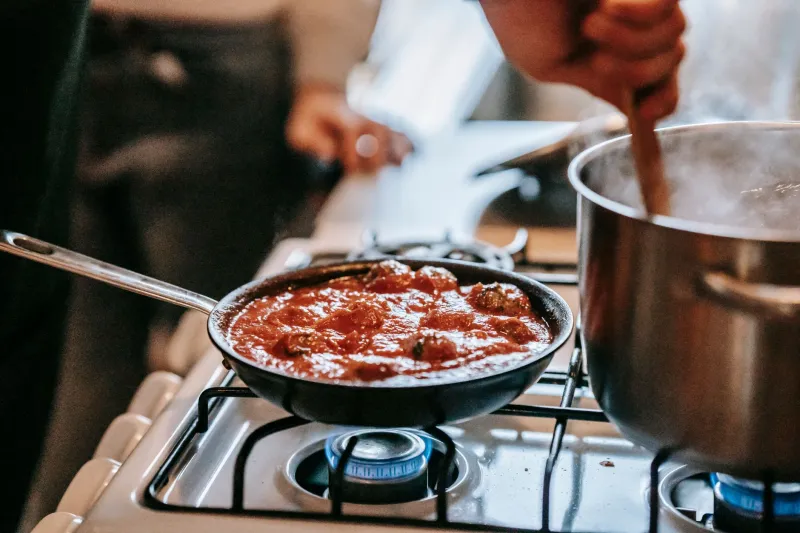
- High risk: Food intentionally prepared with liquor that has not fully cooked off. Contrary to popular belief, alcohol does not evaporate completely during cooking. A pan sauce deglazed with wine and simmered briefly can retain a substantial fraction of its original alcohol content. Rum cake, bourbon-glazed dishes, and flambéed desserts fall into this category. Treat them as off-limits.
- Moderate risk: Over-the-counter liquid medications. Many cough and cold syrups contain meaningful percentages of alcohol — some formulations exceed 10%. Read every Drug Facts label for "alcohol" as an inactive ingredient, and ask your pharmacist for alcohol-free alternatives.
- Lower risk, still worth vigilance: Mouthwashes and oral rinses containing alcohol, certain astringent skincare products applied to broken skin, and alcohol-based inhalers of fumes (for example, standing near heavy paint-stripping or fuel use). Absorption through skin or lungs is slower and generally smaller, but prolonged or repeated exposure adds up.
- Situational risk: Mouth-to-mouth contact with a partner who has been drinking. A kiss immediately after someone has consumed alcohol can transfer a small but real amount of ethanol via saliva and breath. One kiss after a single beer is unlikely to trigger a reaction in most patients, but a partner returning from several drinks is a different matter.
Practical Thresholds for Everyday Life
While no official threshold exists for "safe" trace alcohol on disulfiram, a conservative framework works well:
- Avoid any food where alcohol is a listed or obvious ingredient — desserts, sauces, marinades, and anything flambéed. Ask servers directly; restaurant kitchens frequently finish dishes with wine or spirits without noting it on the menu.
- Substitute freely. Vanilla extract, wine reductions, and beer batter all have alcohol-free counterparts. Non-alcoholic wine and beer are not automatically safe — many contain residual ethanol up to 0.5% or more, and some patients have reacted to them.
- Time your kisses. Ask your partner to rinse their mouth or wait twenty to thirty minutes after their last drink before close contact. Saliva alcohol levels fall as the body metabolizes the drink.
- Screen your medicine cabinet once, thoroughly. Do it the same week you start disulfiram, and again whenever you add a new liquid medication.
When a Reaction Happens Anyway
If you develop flushing, nausea, or a racing heart after an unintended exposure, the first step is simple: stop the exposure and stay calm. Most reactions are self-limited and subside as the acetaldehyde is eventually cleared through alternate pathways. Sit or lie down, sip water, and have someone stay with you.
Seek emergency care if symptoms are severe or prolonged — chest pain, difficulty breathing, vomiting that will not stop, seizures, or loss of consciousness. Emergency departments manage disulfiram reactions with supportive care, and staff should be told you take disulfiram, since this changes how they interpret your symptoms.
A Closing Note for Patients and Families
Disulfiram demands a level of label-reading and situational awareness that most medications never require. That burden is real, but it is manageable with a few firm habits: treat cooked alcohol as alcohol, verify liquid medications, brief the people who cook for you, and keep emergency guidance handy. Patients who build these habits early report that vigilance fades into routine within a couple of months — and that the routine is far easier than the alternative.